Delving into the realm of intermittent fasting, this article sheds light on the various health benefits associated with this popular eating pattern. From weight loss to improved metabolism, get ready to explore the science behind intermittent fasting in a digestible format.
Introduction to Intermittent Fasting
Intermittent fasting is a dietary approach that involves cycling between periods of eating and fasting. The basic principle behind intermittent fasting is to restrict the time window in which you consume food, allowing the body to burn stored fat for energy during the fasting period.
Different Methods of Intermittent Fasting
- The 16/8 method: Involves fasting for 16 hours and eating within an 8-hour window each day.
- The 5:2 method: Involves eating normally for 5 days a week and limiting calorie intake to 500-600 calories on the other 2 days.
- Eat-Stop-Eat: Involves fasting for 24 hours once or twice a week.
Intermittent fasting has gained popularity due to its simplicity and flexibility. It can be easily incorporated into various lifestyles and has been associated with numerous health benefits.
Health Benefits of Intermittent Fasting
Intermittent fasting has gained popularity not only for its weight loss benefits but also for its potential positive effects on overall health. Let's delve into some of the key health benefits associated with intermittent fasting.
Effects on Weight Loss and Metabolism
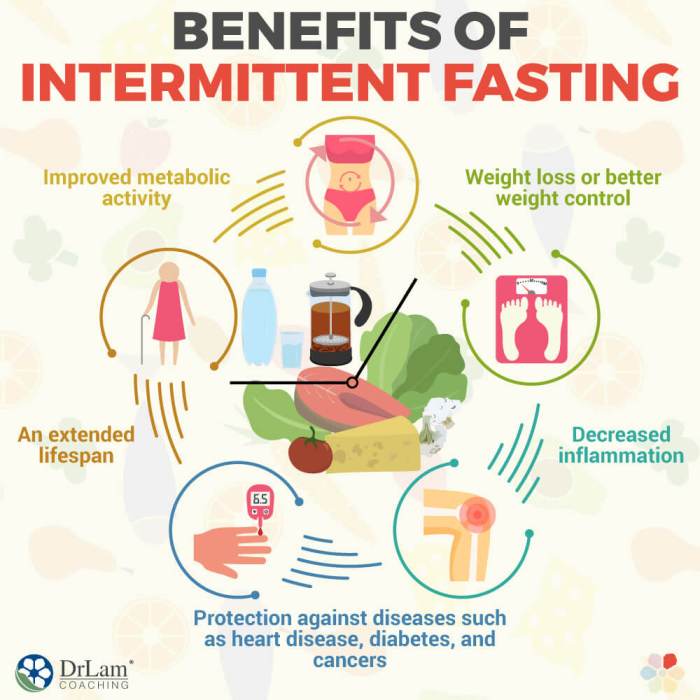
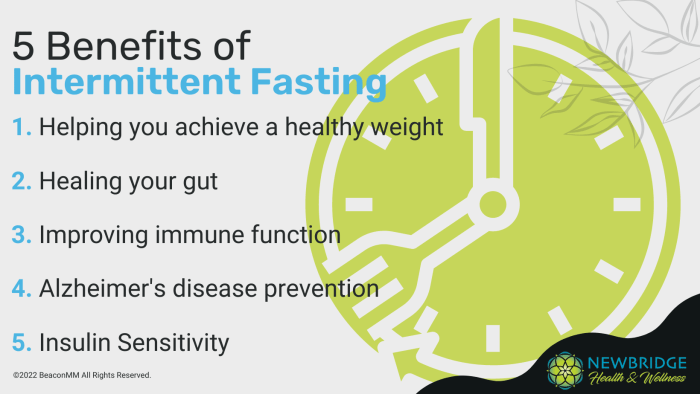
Intermittent fasting can promote weight loss by helping individuals consume fewer calories within a specific time frame. By restricting the eating window, it can also enhance metabolism by allowing the body to burn stored fat for energy more efficiently.
Improves Insulin Sensitivity and Reduces Risk of Type 2 Diabetes
Intermittent fasting has been shown to improve insulin sensitivity, which is crucial for regulating blood sugar levels. This can reduce the risk of developing type 2 diabetes by promoting better glucose control and lowering insulin resistance.
Impact on Inflammation and Heart Health
Research suggests that intermittent fasting can help reduce inflammation in the body, which is linked to various chronic diseases, including heart disease. By lowering inflammation levels, intermittent fasting may contribute to better heart health and reduce the risk of cardiovascular issues.
Potential Benefits for Brain Health and Cognitive Function
Some studies indicate that intermittent fasting may have neuroprotective effects that could benefit brain health and cognitive function. It may help enhance brain function, promote the growth of new neurons, and protect against neurodegenerative conditions like Alzheimer's disease.
Nutritional Aspects of Intermittent Fasting
Intermittent fasting can have significant impacts on the way our bodies absorb and utilize nutrients. During the fasting period, the body switches to a state of cellular repair and regeneration, which can affect how nutrients are processed
Hydration and Nutrient-Dense Foods
Consuming an adequate amount of water and eating nutrient-dense foods is crucial during the eating window of intermittent fasting. Hydration is essential for overall health and helps support proper digestion and nutrient absorption. Opting for nutrient-rich foods such as fruits, vegetables, whole grains, and lean proteins can provide the body with the necessary vitamins and minerals it needs to function optimally.
Nutritional Requirements Comparison
Individuals practicing intermittent fasting may have different nutritional requirements compared to those following a regular eating pattern. Since the eating window is restricted, it is essential to focus on nutrient-dense foods to ensure that the body receives an adequate amount of essential nutrients.
Planning meals carefully to include a variety of food groups can help meet these requirements while still reaping the benefits of intermittent fasting.
Safety and Considerations
Intermittent fasting can be a beneficial practice for many individuals, but it may not be suitable for everyone. It is important to understand the safety considerations associated with intermittent fasting to ensure it is done in a healthy and sustainable manner.
Who Should Avoid Intermittent Fasting
- Pregnant or breastfeeding women should avoid intermittent fasting as it may not provide adequate nutrients for the growing baby.
- Individuals with a history of eating disorders should consult a healthcare professional before starting intermittent fasting to ensure it does not trigger unhealthy behaviors.
- People with certain medical conditions, such as diabetes, should consult a doctor before trying intermittent fasting to prevent any negative effects on blood sugar levels.
Common Side Effects and Management
Intermittent fasting may lead to common side effects such as headaches, fatigue, and irritability as the body adjusts to the new eating pattern. To manage these side effects, it is important to stay hydrated, get enough sleep, and ensure meals are nutrient-dense during eating windows.
Tips for Balanced Diet and Healthy Lifestyle
- Focus on consuming whole foods, including fruits, vegetables, lean proteins, and healthy fats, to ensure you are getting essential nutrients during eating periods.
- Avoid overeating or binge-eating during non-fasting periods to maintain a balanced diet and prevent negative effects on metabolism.
- Incorporate regular exercise into your routine to support overall health and well-being while practicing intermittent fasting.
Listening to Your Body
It is crucial to listen to your body's signals while practicing intermittent fasting. If you experience extreme hunger, dizziness, or other concerning symptoms, it may be necessary to adjust your fasting schedule or seek guidance from a healthcare professional. Paying attention to how your body responds can help you tailor your fasting approach for optimal results.
Ultimate Conclusion
In conclusion, the health benefits of intermittent fasting are vast and intriguing. By incorporating this practice into your lifestyle mindfully, you can potentially reap the rewards of better health and well-being. Dive into the world of intermittent fasting and unlock a new chapter of wellness today.
General Inquiries
Who should avoid intermittent fasting?
Individuals with eating disorders or certain medical conditions should steer clear of intermittent fasting and consult a healthcare professional before considering this eating pattern.
What are common side effects of intermittent fasting?
Some common side effects include fatigue, irritability, and difficulty concentrating. These can often be managed by staying hydrated and ensuring balanced nutrition during eating windows.
How important is it to listen to your body's signals during intermittent fasting?
Listening to your body is crucial when practicing intermittent fasting. It's essential to adjust your fasting schedule based on how you feel to ensure your well-being and avoid potential health risks.