
Best wearable devices for tracking health metricsGut health and its connection to brain function sets the stage for this enthralling narrative, offering readers a glimpse into a story that is rich in detail and brimming with originality from the outset.
As we delve into the intricate world of wearable devices and their impact on health metrics, we also uncover the fascinating relationship between gut health and brain function, shedding light on a crucial connection often overlooked.
Wearable Devices for Tracking Health Metrics
Wearable devices have revolutionized the way we monitor our health metrics on a daily basis. These devices provide real-time data that can help individuals make informed decisions about their health and wellness.
Key Features to Look for in Wearable Devices for Health Tracking
- Accuracy in tracking vital signs such as heart rate, blood pressure, and oxygen saturation
- Long battery life for continuous monitoring
- Compatibility with smartphones for easy data syncing and analysis
- Waterproof and sweat-resistant design for use during physical activities
Types of Wearable Devices for Tracking Health Metrics
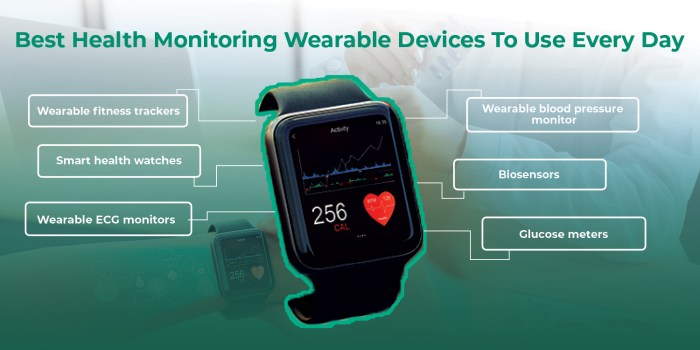
There are various types of wearable devices available for tracking health metrics, each with its own set of features and functionalities.
- Fitness trackers: Focus on activity levels, sleep patterns, and exercise performance
- Smartwatches: Provide a wide range of health tracking features along with smartphone notifications
- Health monitoring wearables: Specialize in tracking specific health conditions like diabetes or heart disease
Popular Examples of Wearable Devices for Monitoring Health Metrics
- Fitbit: Known for its accurate activity tracking and sleep monitoring capabilities
- Apple Watch: Offers a comprehensive range of health tracking features and ECG capabilities
- Garmin: Ideal for outdoor enthusiasts with features for tracking runs, swims, and other activities
Gut Health and Its Impact on Brain Function
Maintaining a healthy gut is essential for overall well-being, as it plays a significant role in influencing brain function. The gut and brain are connected through the gut-brain axis, a complex communication network involving the nervous system, immune system, and gut microbiota.Gut health can have a direct impact on mental health and cognitive abilities.
Research has shown that an imbalance in gut bacteria, known as dysbiosis, can lead to symptoms of anxiety, depression, and impaired cognitive function. The gut microbiota produce neurotransmitters like serotonin and GABA, which play a crucial role in regulating mood and cognitive function.
Foods that Promote Gut Health and Support Brain Function
A diet rich in fiber, prebiotics, and probiotics can promote a healthy gut microbiome and support optimal brain function. Foods like yogurt, kefir, sauerkraut, and kimchi are excellent sources of probiotics, which help maintain a healthy balance of gut bacteria.
Prebiotic foods such as garlic, onions, leeks, and bananas provide the necessary nutrients for good bacteria to thrive.
Strategies for Improving Gut Health to Enhance Brain Function
In addition to a healthy diet, other strategies can help improve gut health and enhance brain function. Managing stress through techniques like meditation and yoga can positively impact gut health. Getting regular exercise and an adequate amount of sleep also play a crucial role in maintaining a healthy gut-brain axis.
Final Thoughts

In conclusion, the exploration of wearable devices for tracking health metrics and their influence on gut health and brain function opens up a world of possibilities for enhancing overall well-being and cognitive performance. This interconnected journey of technology and biology leaves us with a deeper understanding of how our choices impact our health on multiple levels.
FAQ Compilation
Question: What are the key features to look for in wearable devices for tracking health metrics?
Answer: Some key features to consider are accuracy of data, battery life, compatibility with smartphones, and ease of use.
Question: How does gut health influence brain function?
Answer: Gut health can impact brain function through the gut-brain axis, affecting mood, cognition, and even neurodegenerative diseases.
Question: Which popular wearable devices are commonly used for monitoring health metrics?
Answer: Popular choices include Fitbit, Apple Watch, Garmin, and Samsung Galaxy Fit for tracking various health metrics.