
Delving into the realm of immune system support supplements, this article aims to shed light on the significance of these supplements in enhancing your overall well-being. From key nutrients to popular examples, we'll explore it all in this informative piece.
Overview of Immune System Support Supplements
Supplements play a crucial role in supporting the immune system, especially during times when our bodies need an extra boost to fend off illnesses and infections. These supplements are designed to provide essential nutrients that may be lacking in our diets, helping to strengthen our immune response and overall health.
Key Nutrients for Immune System Support
- Vitamin C: Known for its antioxidant properties, Vitamin C helps boost the production of white blood cells, which are key in fighting infections.
- Vitamin D: This vitamin plays a vital role in regulating the immune system and can help reduce the risk of respiratory infections.
- Zinc: Zinc is essential for immune cell function and can help shorten the duration of colds and other respiratory infections.
How Supplements Improve Overall Immune Function
Supplements provide a convenient way to ensure we are getting an adequate amount of these key nutrients that support our immune system. By filling in any nutritional gaps, supplements can help optimize immune function and enhance our body's ability to fight off pathogens.
Popular Immune System Support Supplements
- Echinacea: Widely used to support the immune system and reduce the severity of cold symptoms.
- Probiotics: These "good" bacteria can help maintain a healthy gut microbiome, which is essential for a strong immune system.
- Elderberry: Known for its antiviral properties, elderberry supplements are often taken to boost immunity and fight off colds and flu.
Vitamin C and its Role in Immune Health

Vitamin C is a key nutrient that plays a crucial role in supporting the immune system. It is a powerful antioxidant that helps protect cells from damage, boosts the production of white blood cells, and enhances the body's ability to fight off infections.
Benefits of Vitamin C for Immune System Support
- Helps in the production of white blood cells, which are essential for fighting infections.
- Acts as an antioxidant, protecting cells from damage caused by free radicals.
- Supports the skin's barrier function, which is the first line of defense against pathogens.
Recommended Daily Intake of Vitamin C
The recommended daily intake of Vitamin C for adults is around 75-90 mg for women and 90 mg for men. However, during times of illness or stress, higher doses may be beneficial.
Comparison of Different Sources of Vitamin C Supplements
| Source | Benefits | Drawbacks |
|---|---|---|
| Fruits and Vegetables | Natural form of Vitamin C with added fiber and nutrients. | May not provide high enough doses for therapeutic benefits. |
| Synthetic Supplements | Allow for precise dosing and higher concentrations of Vitamin C. | May cause gastrointestinal discomfort in high doses. |
| Buffered Supplements | Less acidic and gentler on the stomach. | May be more expensive than other forms. |
Tips to Maximize Absorption of Vitamin C
- Take Vitamin C supplements with food to enhance absorption.
- Divide doses throughout the day to maintain steady levels in the bloodstream.
- Avoid taking Vitamin C with iron supplements, as they can interfere with each other's absorption.
Zinc Supplements for Immune System Boost
Zinc is an essential mineral that plays a crucial role in supporting the immune system. It is involved in various immune functions, including the development and function of immune cells.
Overview of Zinc Support for Immune Health
- Zinc helps in the production and activation of white blood cells, which are important for fighting off infections.
- It acts as an antioxidant, helping to reduce oxidative stress and inflammation in the body.
- Zinc is also needed for the proper functioning of enzymes involved in immune responses.
Recommended Dosage of Zinc
The recommended daily intake of zinc for adults is around 11 mg for males and 8 mg for females. However, during times of illness or increased stress, higher doses may be needed.
Comparison of Different Forms of Zinc Supplements
| Zinc Form | Benefits |
|---|---|
| Zinc Gluconate | Readily absorbed by the body and often used in cold remedies. |
| Zinc Acetate | May be more effective in reducing the duration of the common cold. |
Potential Side Effects and Mitigation Strategies
- Excessive zinc intake can lead to nausea, vomiting, and diarrhea.
- It can interfere with the absorption of other minerals like copper and iron.
- To mitigate side effects, it is important to stick to the recommended dosage and consult a healthcare provider before starting zinc supplementation.
Probiotics for Immune Support
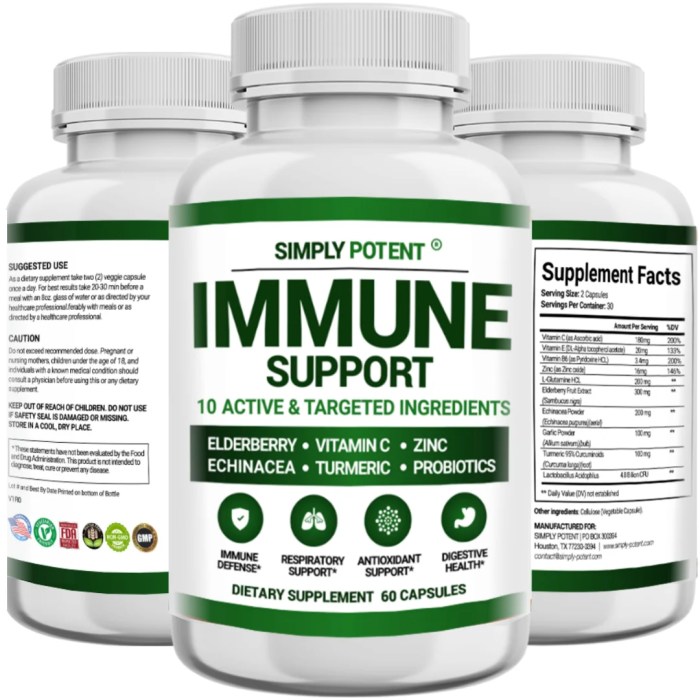
Probiotics are live bacteria and yeasts that are good for your health, especially your digestive system. They are known to promote a healthy balance of gut bacteria and can play a vital role in supporting your immune system.
Connection between Gut Health and Immune Function
Maintaining a healthy gut microbiome is crucial for a strong immune system. The gut is home to a large portion of the body's immune cells, making it a key player in immune function. Probiotics help support the balance of good bacteria in the gut, which in turn can enhance immune response.
- Specific Strains of Probiotics
When choosing a probiotic supplement for immune support, look for specific strains that have been shown to benefit immune health. Some beneficial strains include Lactobacillus acidophilus, Bifidobacterium lactis, and Lactobacillus rhamnosus.
Importance of Maintaining a Healthy Gut Microbiome
A diverse and balanced gut microbiome is essential for a strong immune system. Probiotics can help restore and maintain this balance, reducing inflammation and supporting overall immune function. By promoting a healthy gut, probiotics can enhance your body's ability to fight off infections and illnesses.
Tips on Choosing the Right Probiotic Supplement
When selecting a probiotic supplement for immune health, consider factors such as the number of live cultures, the specific strains included, and the overall quality of the product. It's essential to choose a supplement that is backed by research and contains strains known for their immune-boosting properties.
Consult with a healthcare provider to determine the best probiotic option for your individual needs.
Concluding Remarks
In conclusion, the journey through the world of immune system support supplements has highlighted the crucial role they play in maintaining a strong and resilient immune system. By incorporating these supplements into your daily routine, you can take proactive steps towards safeguarding your health.
Clarifying Questions
Are supplements for immune system support safe to consume daily?
Yes, most immune system support supplements are safe for daily consumption when taken as directed. It's always recommended to consult with a healthcare professional before starting any new supplement regimen.
Can children take immune system support supplements?
While some supplements are formulated for children, it's crucial to consult a pediatrician before giving any supplements to children to ensure safety and proper dosing.
How long does it take for immune system support supplements to show results?
The time it takes for supplements to show noticeable results can vary depending on the individual's health status and the specific supplement. Consistent use over a few weeks to months is generally recommended for optimal benefits.
What is the best time of day to take immune system support supplements?
It's often recommended to take supplements with meals to aid in better absorption. However, following the specific instructions on the supplement packaging regarding timing is advisable for maximum effectiveness.