Preventive health checkups: What you need to know sets the stage for this enthralling narrative, offering readers a glimpse into a story that is rich in detail and brimming with originality from the outset. It's crucial to understand the importance of regular checkups in maintaining overall health and well-being.
As we delve deeper into the types, frequency, and benefits of these checkups, a clearer picture emerges of how they can save money, time, and most importantly, safeguard your health proactively.
Importance of Preventive Health Checkups
Regular preventive health checkups play a crucial role in maintaining overall health and well-being. These checkups help in early detection of potential health issues, allowing for timely intervention and treatment. By staying proactive with preventive screenings, individuals can significantly reduce the risk of developing serious health conditions.
Early Detection of Common Preventable Health Conditions
- High blood pressure: Regular checkups can help monitor blood pressure levels and detect hypertension early on.
- High cholesterol: Screening tests can identify elevated cholesterol levels, which are a risk factor for heart disease.
- Diabetes: Blood sugar levels can be monitored through routine checkups, aiding in the early diagnosis of diabetes.
- Cancer: Screening tests such as mammograms and colonoscopies can detect cancer at an early stage when treatment is most effective.
Saving Money and Time in the Long Run
Regular preventive health checkups can ultimately save both money and time by preventing the development of costly health conditions. By addressing potential issues early on, individuals can avoid expensive medical treatments and hospitalizations. Additionally, preventive screenings can help in reducing the time spent on managing chronic illnesses, enabling individuals to lead a healthier and more productive life.
Types of Preventive Health Checkups

Regular preventive health checkups are essential for maintaining overall health and detecting any potential issues early on. These checkups can vary depending on age, gender, and medical history. Here are some common types of preventive health checkups:
Basic Preventive Health Checkups
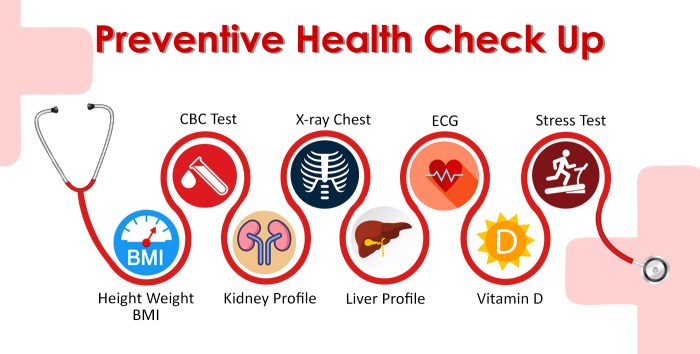
Basic preventive health checkups typically include a physical exam, blood pressure measurement, cholesterol screening, and blood tests to check for common conditions like diabetes. These checkups are recommended for individuals of all ages and are a good starting point for preventive care.
Comprehensive Preventive Health Checkup Packages
Comprehensive preventive health checkup packages offer a more in-depth evaluation of overall health. These packages may include additional tests such as ECG, ultrasound, and cancer screenings based on age and risk factors. They provide a more thorough assessment of health status and are often recommended for older adults or individuals with specific health concerns.
Pediatric Preventive Health Checkups
Pediatric preventive health checkups are tailored for children and focus on growth and development milestones, vaccinations, and early detection of any health issues. These checkups are crucial for ensuring proper growth and development in children and may include vision and hearing tests, as well as screenings for conditions like autism.
Women’s Preventive Health Checkups
Women's preventive health checkups may include screenings for breast and cervical cancer, bone density tests, and reproductive health exams. These checkups are important for early detection of gynecological issues and maintaining overall women's health.
Men’s Preventive Health Checkups
Men's preventive health checkups may include screenings for prostate cancer, testicular exams, and cholesterol checks. These checkups are tailored to address common health concerns in men and promote overall well-being.
Senior Preventive Health Checkups
Senior preventive health checkups are designed to address the specific health needs of older adults, including screenings for osteoporosis, cognitive function, and cardiovascular health. These checkups help in managing age-related conditions and maintaining quality of life in seniors.
Frequency and Timing of Preventive Health Checkups
Regular preventive health checkups play a crucial role in maintaining overall well-being and detecting potential health issues early on. The frequency and timing of these checkups can vary based on factors such as age, gender, and individual health history
Recommended Frequency of Preventive Health Checkups
- For adults aged 18-40: It is generally recommended to undergo a comprehensive health checkup every 1-3 years, depending on individual risk factors and overall health status.
- For adults aged 40 and above: The frequency of health checkups may increase to annually or biennially to monitor for age-related health issues such as heart disease, diabetes, and cancer.
- For women: In addition to general health screenings, women may need to schedule regular gynecological exams, mammograms, and Pap smears as per their age and risk factors.
- For men: Men should consider regular prostate exams, cholesterol screenings, and colonoscopies based on age and family history of specific conditions.
Best Time to Schedule Preventive Health Checkups
It is advisable to schedule preventive health checkups during periods of good health to obtain accurate baseline measurements and detect any deviations early. Morning appointments are often recommended for fasting blood tests, while scheduling screenings after periods of rest and relaxation can help reduce stress-related factors that may impact results.
Guidelines for Different Types of Preventive Health Screenings
- Blood pressure screenings: Yearly measurements are recommended for adults aged 18 and older, with more frequent checks for individuals with hypertension or risk factors.
- Cholesterol screenings: Adults should undergo cholesterol tests every 4-6 years, with more frequent screenings for those at higher risk of cardiovascular disease.
- Colonoscopies: Starting at age 50, individuals should schedule colonoscopies every 10 years for colorectal cancer screening, with earlier or more frequent tests based on family history or risk factors.
- Blood glucose tests: Regular monitoring of blood sugar levels is essential for individuals with diabetes or prediabetes, with frequency determined by healthcare providers based on individual needs.
Benefits of Preventive Health Checkups
Regular preventive health checkups offer a multitude of benefits that contribute to overall well-being and quality of life. Early detection of health problems through these checkups can significantly impact treatment outcomes and improve prognosis.
Advantages of Early Detection
- Early detection of diseases allows for prompt intervention and treatment, leading to better outcomes and potentially saving lives.
- Identifying risk factors early on can help in implementing preventive measures to reduce the likelihood of developing certain conditions.
- Regular screenings can catch health issues in their initial stages when they are more manageable and less invasive to treat.
Better Management of Chronic Conditions
Regular preventive checkups play a crucial role in the management of chronic conditions. Through consistent monitoring and evaluation, healthcare providers can adjust treatment plans as needed, improving disease management and overall health outcomes.
Psychological Benefits
- Knowing that you are taking proactive steps to monitor your health can provide a sense of control and empowerment, reducing anxiety and stress.
- Peace of mind from regular health screenings can alleviate fears of undetected health issues and promote mental well-being.
Wrap-Up
In conclusion, the journey through the realm of preventive health checkups has shed light on their indispensable role in our lives. From early detection to improved quality of life, these checkups offer a holistic approach to well-being that cannot be overstated.
Take charge of your health today and embark on the path to a healthier tomorrow.
FAQs
How often should I undergo preventive health checkups?
It is recommended to schedule these checkups annually, but the frequency may vary based on age, gender, and individual health history.
What are some common preventable health conditions detectable through these checkups?
Conditions like hypertension, diabetes, and certain cancers can often be detected early through preventive health screenings.
What is the difference between basic and comprehensive preventive health checkup packages?
Basic checkups usually include routine tests while comprehensive packages offer a more in-depth analysis with additional screenings and examinations.