
Exploring the profound effects of sleep quality on overall health unravels a fascinating narrative that delves into the intricate relationship between our nightly rest and our well-being. From physical health to cognitive function, the impact of sleep quality is far-reaching and often underestimated.
Let's embark on a journey to uncover the crucial role that quality sleep plays in maintaining a healthy and balanced life.
Importance of Sleep Quality
Sleep quality plays a crucial role in maintaining overall health and well-being. It is not just about the quantity of sleep but also the quality that matters.
Impact on Physical Health
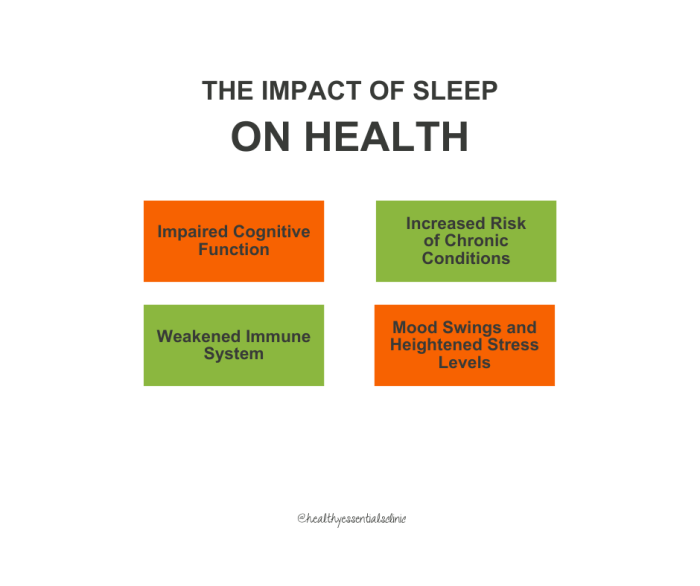
- Poor sleep quality can weaken the immune system, making individuals more vulnerable to illnesses and infections.
- Chronic sleep deprivation has been linked to an increased risk of heart disease, diabetes, obesity, and other serious health conditions.
- Individuals with inadequate sleep are prone to experiencing fatigue, lack of energy, and difficulties in concentration, affecting their daily functioning.
Relationship with Mental Well-being
- Quality sleep is essential for emotional regulation and cognitive function, as it allows the brain to rest and process information effectively.
- Individuals who struggle with poor sleep quality are more likely to experience mood swings, irritability, anxiety, and depression.
- Long-term sleep disturbances can contribute to the development of mental health disorders, highlighting the importance of prioritizing sleep quality for overall well-being.
Effects of Poor Sleep on Physical Health
Inadequate sleep quality can have a significant impact on physical health, leading to a variety of negative consequences for the body.Chronic poor sleep, as opposed to occasional poor sleep, can have more severe and long-lasting effects on physical health. When sleep deprivation becomes a regular occurrence, it can disrupt the body's natural processes and increase the risk of developing various health conditions.
Impact on Cardiovascular Health
Chronic poor sleep has been linked to an increased risk of heart disease, high blood pressure, and stroke. Lack of quality sleep can affect blood pressure regulation, inflammation levels, and overall cardiovascular function, putting individuals at a higher risk of developing cardiovascular issues.
Effects on Metabolism and Weight Gain
Consistently poor sleep quality can disrupt hormonal balance, specifically affecting hormones that regulate appetite and metabolism. This disruption can lead to increased cravings for high-calorie foods, weight gain, and a higher risk of obesity. Additionally, inadequate sleep can impair glucose metabolism and insulin sensitivity, increasing the risk of developing type 2 diabetes.
Impact on Immune Function
Sleep plays a crucial role in supporting the immune system, and chronic poor sleep can weaken immune function, making individuals more susceptible to infections and illnesses. Lack of quality sleep can reduce the body's ability to fight off pathogens and recover from illness, leading to a compromised immune response.
Effects on Pain Perception and Inflammation
Poor sleep quality has been associated with increased pain perception and heightened inflammation in the body. Chronic sleep deprivation can exacerbate existing pain conditions and contribute to the development of chronic pain disorders. Additionally, inflammation levels can rise with inadequate sleep, increasing the risk of inflammatory conditions and diseases.
Impact of Sleep Quality on Cognitive Function
Quality of sleep plays a crucial role in cognitive function, affecting various aspects of mental performance and brain health. Adequate rest during sleep is essential for optimal cognitive functioning.
Correlation between Sleep Quality and Memory Retention
Good sleep quality is closely linked to memory retention. During sleep, the brain consolidates and processes information obtained throughout the day, storing it in long-term memory. Lack of quality sleep can impair this process, leading to difficulties in retaining and recalling information.
- Quality sleep aids in the formation of new memories and enhances the ability to remember information.
- Deep sleep stages are particularly important for memory consolidation and cognitive processing.
- Research has shown that individuals who experience interrupted sleep or sleep deprivation may struggle with memory tasks and exhibit decreased cognitive performance.
Effects of Sleep Deprivation on Decision-Making Abilities
Sleep deprivation can have a significant impact on decision-making abilities, affecting judgment, problem-solving, and overall cognitive function. When sleep quality is compromised, individuals may experience cognitive impairments that hinder their ability to make sound decisions.
- Insufficient sleep can lead to decreased focus, attention, and concentration, making it challenging to process information effectively.
- Decision-making skills may be compromised due to fatigue and cognitive fog resulting from poor sleep quality.
- Studies have shown that sleep-deprived individuals are more likely to make risky decisions and exhibit impulsive behavior compared to those who get adequate rest.
Sleep Quality and Weight Management
When it comes to weight management, the quality of your sleep plays a crucial role. Poor sleep can actually contribute to weight gain and make it harder to lose weight.
Connection between Sleep Quality and Weight Gain
Research has shown that inadequate or poor quality sleep can disrupt the hormones that regulate appetite, leading to increased cravings for unhealthy foods. This can result in consuming more calories than needed, ultimately leading to weight gain over time.
Effect of Poor Sleep on Metabolism and Appetite Regulation
- When you don't get enough sleep, your metabolism slows down, making it harder for your body to burn calories efficiently.
- Additionally, lack of sleep can lead to higher levels of ghrelin, the hormone that stimulates appetite, and lower levels of leptin, the hormone that suppresses appetite. This imbalance can result in overeating and weight gain.
- Poor sleep can also affect insulin sensitivity, making it easier for your body to store fat instead of burning it for energy.
Improving Sleep Quality for Weight Loss Efforts
- Establish a consistent sleep schedule by going to bed and waking up at the same time every day, even on weekends.
- Create a relaxing bedtime routine to signal to your body that it's time to wind down and prepare for sleep.
- Avoid caffeine, large meals, and electronic devices close to bedtime to promote better sleep quality.
- Invest in a comfortable mattress and pillows to improve sleep posture and overall sleep quality.
Strategies for Improving Sleep Quality
Improving sleep quality is essential for overall health and well-being. By implementing practical tips and creating a sleep-conducive environment, you can enhance your sleep habits and ensure a restful night's sleep.
The Role of a Bedtime Routine
A bedtime routine plays a crucial role in promoting better sleep habits. Establishing a consistent routine signals to your body that it is time to wind down and prepare for sleep. This can include activities such as reading a book, taking a warm bath, or practicing relaxation techniques.
Avoiding stimulating activities like using electronic devices or consuming caffeine close to bedtime is also important. By following a bedtime routine, you can train your body to recognize when it's time to sleep, leading to improved sleep quality.
Creating a Sleep-Conducive Environment
Creating a sleep-conducive environment is key to ensuring a restful night's sleep. This involves optimizing your bedroom for sleep by keeping it dark, quiet, and cool. Investing in a comfortable mattress and pillows can also significantly impact your sleep quality.
Additionally, minimizing distractions such as noise and excessive light can help you fall asleep faster and stay asleep throughout the night. By creating a peaceful and relaxing sleep environment, you can improve the quality of your sleep and wake up feeling refreshed and rejuvenated.
Final Wrap-Up

In conclusion, the significance of quality sleep on our overall health cannot be overstated. By prioritizing and improving our sleep habits, we pave the way for a healthier and more vibrant life. Remember, a good night's sleep is not just a luxury but a necessity for optimal well-being.
Question & Answer Hub
How does poor sleep quality affect mental health?
Poor sleep quality can contribute to various mental health issues such as anxiety, depression, and mood disorders due to the impact on neurotransmitters and brain function.
Can improving sleep quality help with weight loss?
Yes, improving sleep quality can aid in weight loss efforts by regulating hormones that control appetite and metabolism, leading to better weight management.
What are some practical tips for enhancing sleep quality?
Practical tips include maintaining a consistent sleep schedule, creating a relaxing bedtime routine, and ensuring a comfortable sleep environment free of distractions.