Delve into the realm of natural remedies for managing anxiety and stress, where ancient wisdom meets modern solutions. In this exploration, we uncover the power of herbs, essential oils, and lifestyle changes in combating the burdens of anxiety and stress.
Embark on a journey towards a calmer mind and a more peaceful existence as we unravel the secrets of managing anxiety and stress through natural means.
Overview of Anxiety and Stress
Anxiety and stress are common emotional responses experienced by individuals in various situations. Anxiety refers to feelings of worry, fear, or unease about something with an uncertain outcome, while stress is the body's reaction to a challenge or demand. Both anxiety and stress can have a significant impact on mental health if not managed effectively.
Impact of Anxiety and Stress on Mental Health
Anxiety and stress can negatively affect mental health by causing symptoms such as increased irritability, difficulty concentrating, changes in appetite, and disrupted sleep patterns. Prolonged exposure to high levels of anxiety and stress may lead to more severe mental health conditions like depression, panic attacks, and chronic anxiety disorders.
Common Symptoms Associated with Anxiety and Stress
- Excessive worrying about everyday events
- Feeling restless or on edge
- Difficulty controlling feelings of fear or worry
- Physical symptoms like muscle tension, headaches, or stomach problems
- Social withdrawal and avoidance of certain situations
Natural Remedies for Anxiety
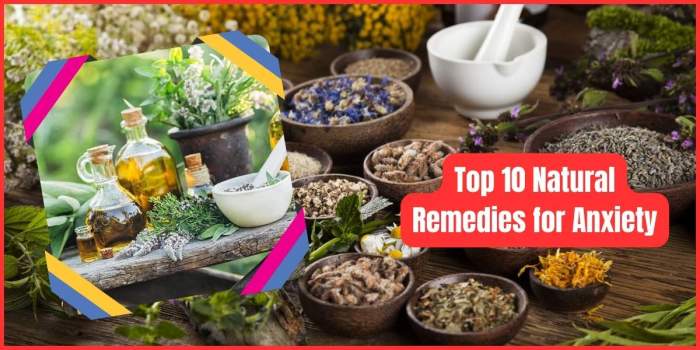
Managing anxiety through natural remedies can be a gentle and effective way to find relief without the side effects of medication. Here are some natural options to consider:
Herbs and Plants
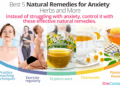
Many herbs and plants have been used for centuries to help manage anxiety. Some of the most popular ones include:
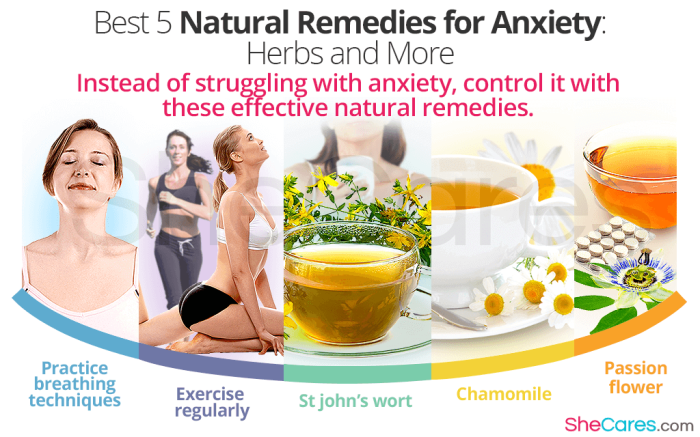
- Lavender: Known for its calming properties, lavender can help reduce feelings of stress and anxiety.
- Chamomile: Often consumed as a tea, chamomile can promote relaxation and reduce anxiety symptoms.
- Ashwagandha: An adaptogenic herb that helps the body cope with stress and anxiety.
Essential Oils
Essential oils can be used aromatically or topically to help reduce anxiety symptoms. Some of the best essential oils for anxiety relief include:
- Lavender: Known for its calming scent, lavender essential oil can help promote relaxation and reduce anxiety.
- Frankincense: Helps to calm the mind and reduce feelings of stress and anxiety.
- Ylang Ylang: Known for its uplifting properties, ylang ylang can help reduce feelings of anxiety and promote a sense of well-being.
Regular Exercise
Regular physical activity has been shown to be an effective way to alleviate anxiety symptoms. Exercise helps release endorphins, which are known as "feel-good" hormones that can improve mood and reduce feelings of stress and anxiety. Aim for at least 30 minutes of moderate exercise most days of the week to experience the benefits.
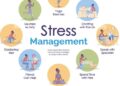
Lifestyle Changes for Stress Management
When it comes to managing stress, incorporating certain lifestyle changes can have a significant impact on reducing anxiety levels and promoting overall well-being.
The Importance of a Healthy Diet
A healthy diet plays a crucial role in reducing stress levels by providing the body with essential nutrients that support brain function and regulate mood. Incorporating foods rich in vitamins, minerals, and antioxidants can help combat the negative effects of stress on the body.
- Include plenty of fruits, vegetables, whole grains, and lean proteins in your daily meals.
- Avoid excessive consumption of caffeine, sugar, and processed foods, which can contribute to feelings of anxiety and stress.
- Stay hydrated by drinking an adequate amount of water throughout the day to support overall health and well-being.
Mindfulness and Meditation
Practicing mindfulness and meditation techniques can help calm the mind, reduce negative thoughts, and improve overall mental clarity. These practices promote relaxation and stress relief, allowing individuals to better cope with daily challenges and pressures.
- Set aside time each day for mindfulness exercises, such as deep breathing, body scans, or guided meditation sessions.
- Focus on the present moment and allow yourself to let go of worries about the past or future.
- Engage in activities that promote relaxation and mindfulness, such as yoga, tai chi, or nature walks.
The Significance of Getting Adequate Sleep
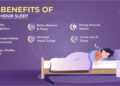
Adequate sleep is essential for stress management as it allows the body to rest, recharge, and repair itself. Lack of sleep can exacerbate feelings of anxiety and overwhelm, making it crucial to prioritize quality sleep for overall well-being.
- Establish a regular sleep schedule and aim for 7-9 hours of sleep each night to support optimal health and stress management.
- Create a relaxing bedtime routine to signal to your body that it is time to unwind and prepare for rest.
- Avoid screens and stimulating activities before bedtime to promote better sleep quality and overall relaxation.
Relaxation Techniques
Anxiety and stress can be overwhelming, but incorporating relaxation techniques into your daily routine can help alleviate these feelings and promote a sense of calmness and well-being.
Deep Breathing Exercises
Deep breathing exercises are a simple yet effective way to calm anxiety and reduce stress. By focusing on your breath and taking slow, deep breaths, you can activate your body's relaxation response, leading to a decrease in heart rate and blood pressure.
- Find a quiet and comfortable place to sit or lie down.
- Close your eyes and take a deep breath in through your nose, allowing your lungs to fill with air.
- Hold your breath for a few seconds, then slowly exhale through your mouth.
- Repeat this process several times, focusing on the rhythm of your breath and allowing yourself to relax with each exhale.
Progressive Muscle Relaxation
Progressive muscle relaxation involves tensing and then relaxing different muscle groups in your body, helping to release physical tension and promote relaxation.
- Start by tensing the muscles in your toes and feet for a few seconds, then release the tension and relax.
- Move on to your calves, thighs, abdomen, shoulders, and so on, gradually working your way through each muscle group in your body.
- Focus on the contrast between tension and relaxation in each muscle group, allowing yourself to let go of any stress or anxiety you may be holding onto.
Hobbies and Relaxing Activities
Engaging in hobbies or activities that you enjoy can be a great way to unwind, destress, and promote relaxation in your daily life.
- Consider activities such as painting, gardening, yoga, or listening to music to help distract your mind and focus on the present moment.
- Spending time in nature, reading a book, or practicing mindfulness can also be beneficial in reducing anxiety and promoting a sense of calm.
Seeking Professional Help
When it comes to managing anxiety and stress, there are times when seeking professional help is crucial for effective treatment and support.
Types of Therapy for Managing Anxiety Disorders
Therapy is often a key component in treating anxiety disorders and can come in various forms:
- Cognitive Behavioral Therapy (CBT): This type of therapy helps individuals identify and change negative thought patterns and behaviors that contribute to anxiety.
- Exposure Therapy: This therapy involves gradually exposing individuals to their fears in a controlled setting to help them overcome anxiety triggers.
- Acceptance and Commitment Therapy (ACT): ACT focuses on accepting anxious thoughts and feelings while committing to making positive changes in behavior and actions.
Role of Medication in Treating Severe Anxiety and Stress
Medication can be prescribed by a healthcare professional to help manage severe anxiety and stress symptoms:
- Antidepressants: Selective Serotonin Reuptake Inhibitors (SSRIs) and Serotonin-Norepinephrine Reuptake Inhibitors (SNRIs) are commonly used to treat anxiety disorders.
- Anti-Anxiety Medications: Benzodiazepines may be prescribed for short-term relief of severe anxiety symptoms, but they are usually not recommended for long-term use due to the risk of dependency.
- Beta-Blockers: These medications can help reduce physical symptoms of anxiety, such as rapid heartbeat and trembling, by blocking the effects of adrenaline.
Conclusion
As we reach the end of this discussion, it becomes apparent that finding balance amidst the chaos of anxiety and stress is indeed achievable. By embracing natural remedies and making conscious lifestyle choices, one can pave the way towards a life filled with tranquility and well-being.
FAQ Guide
Can natural remedies completely cure anxiety and stress?
Natural remedies can be effective in managing anxiety and stress, but individual results may vary. It's important to consult with a healthcare professional for personalized advice.
Are there any side effects of using natural remedies for anxiety?
While natural remedies are generally safe, some herbs or essential oils may cause allergic reactions in certain individuals. Always do a patch test and consult with a healthcare provider if unsure.
How long does it take for natural remedies to show results in managing anxiety?
The timeframe for experiencing benefits from natural remedies can vary from person to person. Consistent use over a period of time is usually recommended for optimal results.