Delving into the realm of health insurance plans for expats in 2025, this piece sets the stage for an insightful journey filled with valuable information and intriguing insights.
Exploring the nuances of what makes a health insurance plan ideal for expats living abroad, this guide is a must-read for those seeking comprehensive coverage in the upcoming year.
Overview of expat health insurance
Health insurance is crucial for expats living abroad as it provides access to quality healthcare services, financial protection against unexpected medical expenses, and peace of mind knowing that they are covered in case of emergencies.
Key Factors to Consider When Selecting a Health Insurance Plan
- Coverage: Ensure the plan covers your medical needs, including routine check-ups, emergency care, and specialist consultations.
- Network of Providers: Check if the insurance plan includes a network of healthcare providers in your host country to access quality care.
- Coverage Area: Confirm whether the insurance covers you only in your host country or extends to other countries you may visit.
- Cost: Compare premiums, deductibles, and out-of-pocket expenses to find a plan that fits your budget.
- Additional Benefits: Look for additional benefits like telemedicine services, wellness programs, and emergency evacuation coverage.
Benefits of Having Health Insurance While Living Abroad
- Access to Quality Healthcare: Health insurance ensures expats can receive timely and quality medical care without worrying about high costs.
- Financial Protection: Insurance coverage protects expats from unexpected medical expenses that could otherwise drain their savings.
- Peace of Mind: Knowing that you are covered by health insurance provides expats with peace of mind and the assurance that they can handle any health-related issues that may arise.
Trends in health insurance for expats
Health insurance for expats is constantly evolving to meet the changing needs of this unique demographic. Let's explore some of the emerging trends in health insurance plans for expats and how technology and the global landscape are shaping these developments.
Increased focus on telemedicine and digital health
With advancements in technology, more health insurance plans for expats are incorporating telemedicine and digital health services. This allows expats to access healthcare remotely, making it convenient and efficient, especially for those living in remote areas or countries with limited healthcare facilities.
Personalized health insurance plans
Another trend is the move towards personalized health insurance plans for expats. These plans take into account individual health needs, lifestyle factors, and preferences to offer tailored coverage. This ensures that expats receive the specific care and services they require, rather than a one-size-fits-all approach.
Global health insurance partnerships
As the global landscape continues to change, health insurance providers are forming partnerships with international healthcare providers to offer comprehensive coverage to expats. These partnerships expand access to quality healthcare services worldwide, giving expats peace of mind no matter where they are living or traveling.
Integration of wellness programs
Many health insurance plans for expats now include wellness programs aimed at promoting healthy living and preventing illnesses. These programs often offer incentives for maintaining a healthy lifestyle, such as discounts on premiums or access to fitness resources. By focusing on prevention, these plans help expats stay healthy and reduce healthcare costs in the long run.
Features of the best health insurance plans for expats in 2025
When looking for the best health insurance plan as an expat in 2025, there are several key features to consider to ensure comprehensive coverage and peace of mind.
Essential Features to Look For:
- Global Coverage: Ensure that the health insurance plan offers coverage both in your current country of residence and in your home country.
- Comprehensive Benefits: Look for a plan that covers a wide range of medical services, including hospitalization, outpatient care, prescription drugs, and preventive care.
- Emergency Evacuation: Make sure the plan includes coverage for emergency medical evacuation to the nearest appropriate medical facility in case of a serious illness or injury.
- Mental Health Coverage: With the increasing awareness of mental health issues, opt for a plan that provides coverage for mental health services and therapy.
Types of Coverage Options:
When comparing different types of coverage options available for expats, it is essential to understand the differences to choose the most suitable plan.
| Insurance Type | Description |
|---|---|
| International Health Insurance | Provides coverage globally, offering flexibility in choosing healthcare providers and facilities. |
| Local Health Insurance | Offers coverage only in the specific country of residence, limiting options when traveling or moving to a new location. |
| Travel Health Insurance | Designed for short-term stays abroad, ideal for vacations or business trips, but may not provide long-term coverage for expats. |
Importance of Flexibility and Portability:
Flexibility and portability are crucial aspects of health insurance plans for expats, allowing them to adapt to changing circumstances and locations.
Flexibility enables expats to adjust coverage levels, add or remove dependents, and modify benefits according to their evolving healthcare needs.
Portability ensures that the health insurance plan can be transferred seamlessly between countries, providing continuity of coverage without gaps or delays.
Cost considerations for expat health insurance
When it comes to expat health insurance, cost is a significant factor to consider. Understanding how premiums are determined, managing costs effectively, and finding the right balance between cost and coverage are crucial for expats to secure the best health insurance plan for their needs.
Factors affecting premium costs
- Age: Younger expats typically pay lower premiums compared to older individuals due to lower health risks.
- Location: The country of residence and local healthcare costs can impact premium rates.
- Coverage level: Comprehensive plans with higher coverage will have higher premiums.
- Pre-existing conditions: Expats with pre-existing health conditions may face higher premium costs.
Tips for managing health insurance costs
- Compare quotes from different insurance providers to find the best rates.
- Consider a higher deductible or co-payment to lower premium costs.
- Maintain a healthy lifestyle to reduce the risk of medical issues and lower insurance costs.
- Review and adjust coverage annually to ensure you are not overpaying for unnecessary benefits.
Balance between cost and coverage
- Evaluate your healthcare needs and financial situation to determine the appropriate level of coverage.
- Avoid sacrificing essential coverage for a lower premium, as inadequate insurance may lead to significant out-of-pocket expenses in case of emergencies.
- Seek guidance from insurance experts or financial advisors to find a plan that offers a good balance between cost and coverage.
Wrap-Up
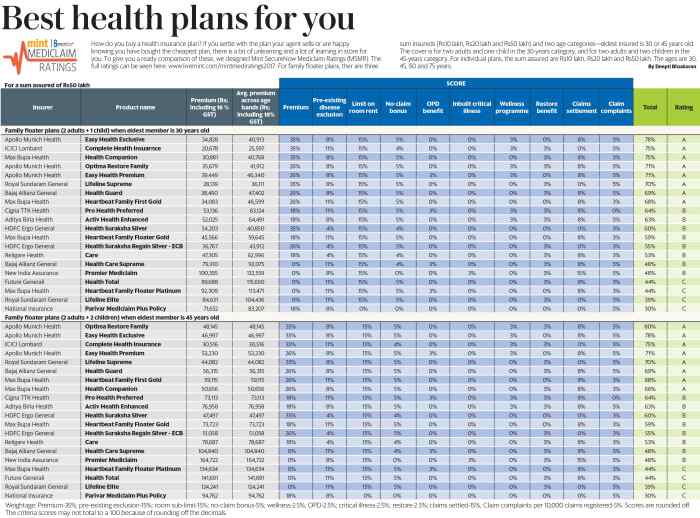
As we conclude this exploration of the best health insurance plans for expats in 2025, it becomes evident that prioritizing suitable coverage is paramount for a secure and healthy expat life.
Clarifying Questions
What are the key factors expats should consider when selecting a health insurance plan?
Expats should consider factors like coverage options, network of healthcare providers, portability, and cost when choosing a health insurance plan.
How do premiums for expat health insurance plans typically get determined?
Premiums for expat health insurance plans are usually determined based on factors such as age, coverage level, medical history, and the destination country's healthcare costs.
Why is flexibility important in health insurance plans for expats?
Flexibility is crucial in health insurance plans for expats as it allows them to adjust coverage based on changing needs, travel to different countries, and ensure continuous protection.