Delving into the realm of chronic stress management strategies that work, this guide offers valuable insights and practical tips to navigate the complexities of modern-day stressors. From mindfulness to lifestyle changes, discover effective ways to conquer chronic stress and enhance your overall well-being.
As we unravel the layers of chronic stress and its impact, let's explore actionable techniques to foster resilience and inner peace in the face of daily challenges.
Chronic Stress Overview
Chronic stress is a prolonged state of psychological and physiological tension that can have detrimental effects on both mental and physical health. Unlike acute stress, which is short-term and often beneficial in certain situations, chronic stress persists over an extended period and can lead to serious health issues if not managed effectively.Research studies have shown that chronic stress is increasingly prevalent in modern society, with a significant portion of the population experiencing ongoing stressors that contribute to this condition.
The impact of chronic stress can be far-reaching, affecting various aspects of an individual's well-being, including their immune system, cardiovascular health, and mental clarity.
Common Triggers of Chronic Stress
- Work-related pressure and deadlines
- Financial problems and instability
- Relationship conflicts and family issues
- Health concerns or chronic illnesses
- Traumatic experiences or past unresolved issues
Differences Between Acute and Chronic Stress
- Acute stress is short-lived and typically triggered by a specific event or situation, while chronic stress persists over a longer duration.
- Acute stress can often be resolved once the triggering factor is removed, whereas chronic stress requires ongoing management and coping strategies.
- Acute stress can sometimes enhance performance and focus, known as the "fight or flight" response, while chronic stress can lead to burnout and decreased productivity.
- Chronic stress is associated with a higher risk of developing serious health conditions, such as heart disease, depression, and anxiety disorders.
Identifying Chronic Stress Symptoms
Chronic stress can have a profound impact on an individual's physical, emotional, and behavioral well-being. It is essential to recognize the signs and symptoms of chronic stress to address them effectively and prevent further complications.
Physical Symptoms
Chronic stress can often manifest physically through symptoms such as headaches, muscle tension, fatigue, and sleep disturbances. Individuals experiencing chronic stress may also notice changes in their appetite, digestive issues, and frequent illnesses due to a weakened immune system.
Emotional Symptoms
Emotionally, chronic stress can lead to feelings of anxiety, irritability, sadness, or a sense of being overwhelmed. Individuals may also experience difficulty concentrating, mood swings, and a general sense of unease or restlessness.
Behavioral Symptoms
Behavioral symptoms of chronic stress may include increased use of substances like alcohol or drugs, changes in sleep patterns, social withdrawal, procrastination, or neglecting responsibilities. These behaviors can further exacerbate the stress experienced by individuals.It is important to note that chronic stress can manifest differently in each individual.
While some may primarily exhibit physical symptoms, others may experience more emotional or behavioral manifestations. Recognizing these differences is crucial in addressing chronic stress effectively.Personal anecdotes or real-life examples can illustrate how chronic stress symptoms can impact daily life. For instance, a person experiencing chronic stress may struggle to focus at work, leading to decreased productivity and strained relationships with colleagues.
In another scenario, chronic stress may manifest as physical symptoms like chronic headaches, impacting one's ability to engage in daily activities.Early detection and awareness of chronic stress symptoms are vital in preventing long-term negative consequences. By being attuned to the signs of chronic stress, individuals can seek support, make lifestyle changes, and practice stress management techniques to improve their overall well-being.
Effective Stress Management Techniques
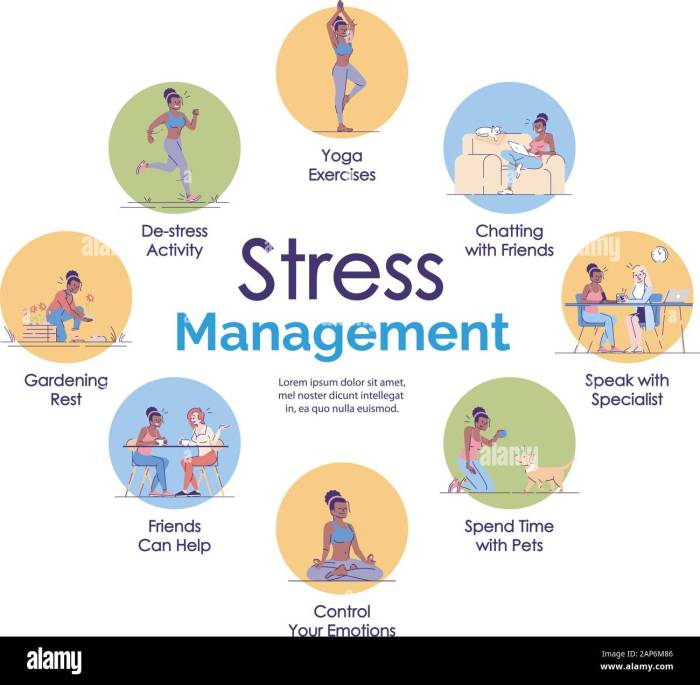
Chronic stress can have a significant impact on both our physical and mental well-being
Mindfulness and Meditation
Mindfulness and meditation are powerful tools for managing chronic stress. By practicing mindfulness, individuals can learn to focus on the present moment and cultivate a sense of calm. Meditation techniques, such as deep breathing exercises or guided imagery, can help reduce stress levels and promote relaxation.
Regular Exercise
Engaging in regular exercise is another effective way to combat chronic stress. Physical activity helps release endorphins, which are known as the body's natural stress relievers. Whether it's going for a brisk walk, practicing yoga, or hitting the gym, exercise can significantly reduce stress and improve overall well-being.
Healthy Diet
A healthy diet plays a crucial role in reducing the impact of chronic stress on the body. Consuming a balanced diet rich in fruits, vegetables, whole grains, and lean proteins can provide essential nutrients that support our physical and mental health.
Avoiding excessive caffeine, sugar, and processed foods can also help in managing stress levels.
Consistent Sleep Routine
Establishing a consistent sleep routine is essential for improving stress management. Getting an adequate amount of quality sleep is vital for our body's ability to recover and recharge. Creating a bedtime routine, such as avoiding screens before bed, practicing relaxation techniques, and maintaining a comfortable sleep environment, can contribute to better sleep quality and overall stress reduction.
Lifestyle Changes for Chronic Stress Relief
When it comes to managing chronic stress, making lifestyle changes can play a significant role in reducing stress levels and improving overall well-being. By incorporating healthy habits and setting boundaries, individuals can effectively alleviate the impact of chronic stress on their mental and physical health.
Setting Boundaries and Practicing Self-Care
One key aspect of managing chronic stress is setting boundaries to protect your time and energy. This may involve learning to say no to additional responsibilities or commitments that may contribute to stress. Prioritizing self-care activities such as exercise, meditation, or hobbies can also help in reducing stress levels and promoting relaxation.
Impact of Social Support and Relationships
Having a strong support system and positive relationships can be crucial in managing chronic stress. Surrounding yourself with friends, family, or support groups can provide emotional support, encouragement, and a sense of belonging, all of which can help in coping with stress effectively.
Time Management and Prioritizing Tasks
Effective time management and prioritizing tasks can also aid in reducing chronic stress. Creating a schedule, setting realistic goals, and breaking tasks into manageable steps can help in reducing feelings of overwhelm and improving productivity. By focusing on essential tasks and allocating time efficiently, individuals can better manage stress levels and maintain a sense of control.
Final Summary
In conclusion, mastering chronic stress management strategies that work is not just about alleviating symptoms but also about cultivating a sustainable lifestyle that promotes mental and physical harmony. By incorporating these strategies into your routine, you can empower yourself to lead a more balanced and fulfilling life.
Clarifying Questions
How can chronic stress impact physical health?
Chronic stress can lead to a range of physical health issues, including high blood pressure, weakened immune system, and gastrointestinal problems.
What are some effective ways to combat chronic stress?
Practicing mindfulness, regular exercise, maintaining a healthy diet, and getting enough sleep are key strategies to manage chronic stress effectively.
Is social support important in managing chronic stress?
Yes, having a strong support system and nurturing relationships can significantly help in coping with chronic stress and improving overall well-being.
How can setting boundaries contribute to stress management?
Setting boundaries helps in reducing overwhelm and preventing burnout, allowing individuals to prioritize self-care and manage stress more effectively.