Exploring the realm of healthy aging tips backed by science, this introduction sets the stage for a journey towards optimal well-being and vitality in later years. From the significance of nutrition to the impact of physical activity and mental well-being, this guide offers valuable insights for those seeking to age gracefully.
As we delve deeper into the realm of healthy aging, we uncover the key principles and practices that can enhance longevity and overall quality of life.
Importance of Healthy Aging
Healthy aging is crucial for maintaining overall well-being as we grow older. It involves adopting lifestyle habits that promote physical, mental, and emotional health to ensure a high quality of life in our later years.
Benefits of Healthy Aging
- Improved longevity: Research shows that individuals who practice healthy aging tend to live longer and have a lower risk of chronic diseases.
- Enhanced cognitive function: Engaging in activities that stimulate the brain, such as puzzles or learning new skills, can help maintain cognitive abilities as we age.
- Better physical health: Regular exercise and a balanced diet can help prevent age-related health issues like heart disease, diabetes, and osteoporosis.
- Emotional well-being: Social connections, hobbies, and stress management techniques can contribute to a positive outlook on life and reduce the risk of depression.
Scientific Research on Healthy Aging
Studies have shown that adopting healthy aging practices can have a significant impact on overall health and well-being. Research has highlighted the importance of factors such as regular physical activity, a nutritious diet, adequate sleep, and stress management in promoting healthy aging.
Nutrition Tips for Healthy Aging
Eating a well-balanced diet is crucial for promoting healthy aging and maintaining overall well-being. Including certain nutrient-rich foods in your daily meals can help support your body as you age.
Nutrient-Rich Foods for Healthy Aging
- Leafy green vegetables like spinach, kale, and collard greens are packed with vitamins, minerals, and antioxidants that help protect cells from damage.
- Fatty fish such as salmon, mackerel, and sardines are rich in omega-3 fatty acids, which have anti-inflammatory properties and support brain health.
- Berries like blueberries, strawberries, and raspberries are high in antioxidants that can help reduce oxidative stress and inflammation in the body.
- Nuts and seeds provide healthy fats, protein, and fiber, along with important vitamins and minerals that support heart health and cognitive function.
- Whole grains like quinoa, brown rice, and oats are a good source of fiber, which aids digestion and helps regulate blood sugar levels.
Role of Antioxidants in Combating Age-Related Issues
Antioxidants are compounds that help neutralize free radicals in the body, which can cause cellular damage and contribute to aging and chronic diseases. Including antioxidant-rich foods in your diet can help protect against age-related issues such as cognitive decline, heart disease, and certain cancers.
Significance of Hydration in the Aging Process
Staying hydrated is essential for healthy aging as water plays a crucial role in various bodily functions, including digestion, circulation, and temperature regulation. Dehydration can lead to fatigue, confusion, and other health issues, so it's important to drink an adequate amount of water throughout the day.
Physical Activity and Exercise
Regular physical activity and exercise play a crucial role in healthy aging by promoting overall well-being and reducing the risk of chronic diseases. Let's explore the types of exercises that are beneficial for aging adults and how they contribute to longevity and cognitive function.
Types of Exercises for Aging Adults
- Cardiovascular exercises such as walking, swimming, or cycling help improve heart health and maintain a healthy weight.
- Strength training exercises using resistance bands or weights help preserve muscle mass and bone density, reducing the risk of falls and fractures.
- Flexibility and balance exercises like yoga or tai chi enhance mobility, reduce stiffness, and prevent injuries.
Impact of Regular Physical Activity on Longevity
Regular physical activity has been linked to increased longevity and a lower risk of premature death. Studies have shown that individuals who engage in regular exercise live longer and have a higher quality of life compared to sedentary individuals. Physical activity helps improve cardiovascular health, maintain a healthy weight, and reduce the risk of chronic conditions such as heart disease, diabetes, and certain types of cancer.
Exercise and Cognitive Function in Older Individuals
Engaging in regular physical activity has been shown to have a positive impact on cognitive function in older adults. Exercise helps increase blood flow to the brain, promoting the growth of new neurons and enhancing cognitive abilities such as memory, attention, and decision-making.
Additionally, physical activity can reduce the risk of cognitive decline and neurodegenerative diseases such as Alzheimer's.
Mental Well-being and Healthy Aging
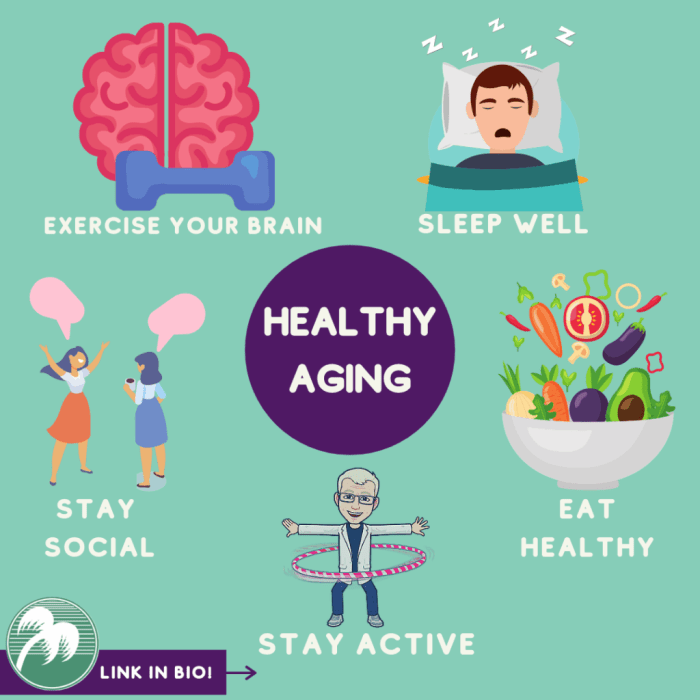
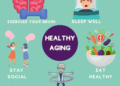
Maintaining good mental health is crucial for healthy aging. As we grow older, it is essential to focus on cognitive health and emotional well-being to ensure a high quality of life in our later years. Additionally, maintaining social connections plays a significant role in promoting overall mental well-being and healthy aging.
Strategies for Promoting Cognitive Health and Emotional Well-being
- Engage in mentally stimulating activities such as puzzles, reading, or learning a new skill to keep your brain active and sharp.
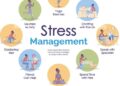
- Practice mindfulness and meditation to reduce stress, improve focus, and enhance emotional well-being.
- Stay socially connected with friends, family, and community members to combat feelings of loneliness and promote a sense of belonging.
- Seek professional help if you are struggling with mental health issues such as anxiety or depression. It is essential to address these issues to maintain overall well-being.
The Correlation Between Social Connections and Healthy Aging
Having strong social connections is linked to better cognitive function, lower rates of depression, and increased longevity. Interacting with others can help reduce feelings of isolation and loneliness, which are common among older adults. Social engagement also provides opportunities for emotional support, intellectual stimulation, and a sense of purpose.
Final Thoughts
In conclusion, embracing healthy aging tips backed by science is not just a choice, but a lifestyle that paves the way for a fulfilling and vibrant future. By prioritizing nutrition, physical activity, and mental well-being, individuals can unlock the secrets to aging gracefully and joyfully.
User Queries
How important is hydration for healthy aging?
Hydration plays a crucial role in maintaining skin elasticity, joint health, and overall bodily functions as we age.
What are some nutrient-rich foods that promote healthy aging?
Foods like berries, leafy greens, fatty fish, and nuts are excellent choices for promoting healthy aging due to their rich nutrient content.
How does social connection contribute to healthy aging?
Staying socially active can help reduce feelings of isolation and loneliness, which are key factors in promoting emotional well-being and overall health in older individuals.